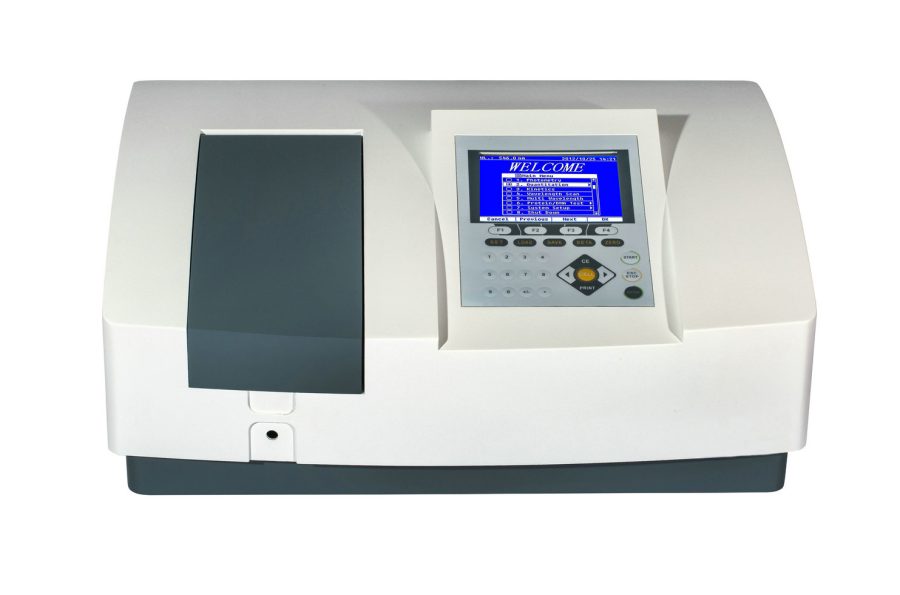
11 models
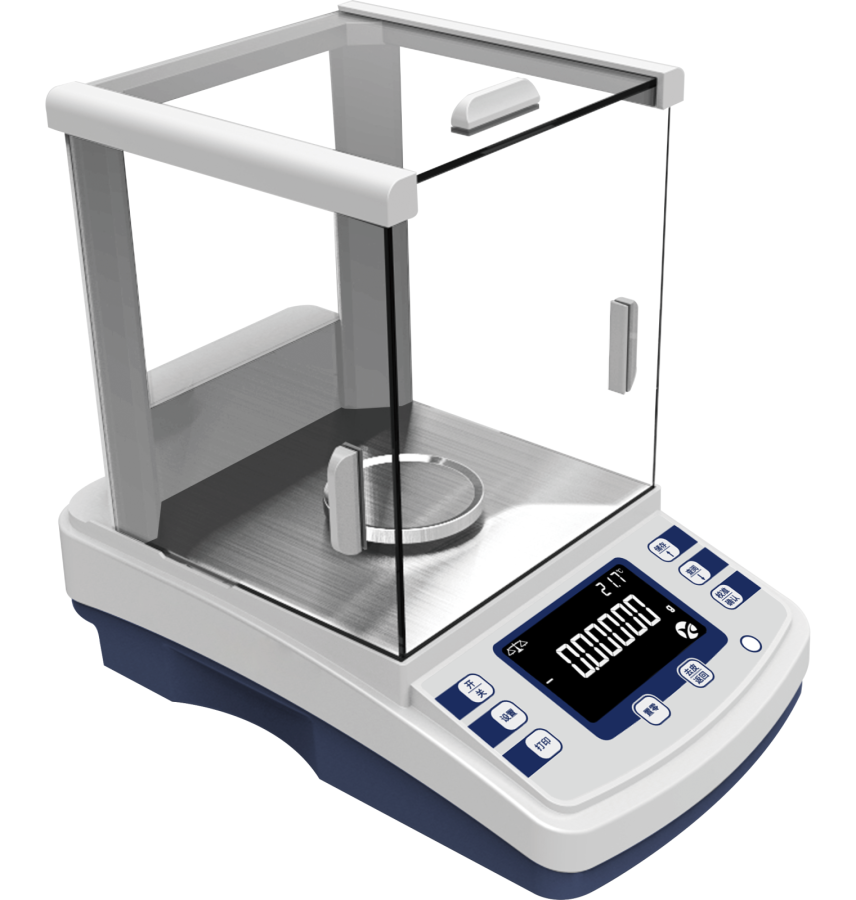
FA Series 0.1mg Balance
Supports PC connection.
- Readability
- 0.1mg
- Pan Size
- Φ85mm
- Weighing Range
- 0-100g

Application note · Pharmaceutical QC
How balance performance, moisture method and sample identity fit into a defensible pharmaceutical QC chain — and where the chain usually breaks.
The short answer
In pharmaceutical quality control the measurement is rarely the weak link. The weak link is the chain that leads to it: the sample that was identified, the mass that was recorded, the portion that was actually tested, and the record that ties the three together. A defensible moisture result is a chain, not a number.
Identity: the sample tested is the sample specified. Mass: the quantity weighed is the quantity recorded, at a resolution that matters against the tolerance. Portion: the material measured represents what was received. Result: the number reported can be traced to raw data without an intermediate transcription.
A balance is defensible when four conditions hold: it is levelled and the level is checked, it is calibrated across the working range rather than only at capacity, it is used above its minimum weight for the required tolerance, and it stands where air movement does not reach it. The fourth is the one most often lost to a convenient bench position.
Minimum weight is a calculation, not a label. It depends on the readability and on the tolerance the method needs — a 0.1 mg balance used for a 20 mg portion with a tight tolerance carries a different risk from the same balance used for a 2 g portion.
Loss on drying reports what leaves the sample at a defined temperature and time. Karl Fischer reports water. A specification that says “water content” and a method that says “loss on drying” are making different claims, and the difference surfaces at the audit rather than at the bench.
For hygroscopic material the handling matters more than the instrument: pre-dried vessels, a desiccator between steps, a short exposure time, and weighing by difference rather than transferring material between containers.
| Link | Typical failure | Control |
|---|---|---|
| Identity | Two samples open on the bench at once | One sample at a time, labelled vessel, workbook entry |
| Mass | Weight re-typed from the display into the record | Direct transfer, or a second-person check |
| Portion | Taken from the top of the container | A defined sub-sampling step in the procedure |
| Result | Calculation performed outside the record | A calculation template held with the method |
Moisture and mass share a tolerance chain. A moisture result expressed as a percentage inherits the uncertainty of the weighing. If the method requires three significant figures, the balance resolution and the portion size have to support three figures — and that requirement belongs in the method, not in the analyst’s judgement on the day.
What a reviewer needs is short: which sample, which balance, which programme, which portion, which raw values, which calculation, who performed it and who checked it. Everything else is commentary. A workflow that produces those items without anyone reconstructing them afterwards is a workflow that survives inspection.
The configuration described above, with the full specification of each model.
11 models
Supports PC connection.
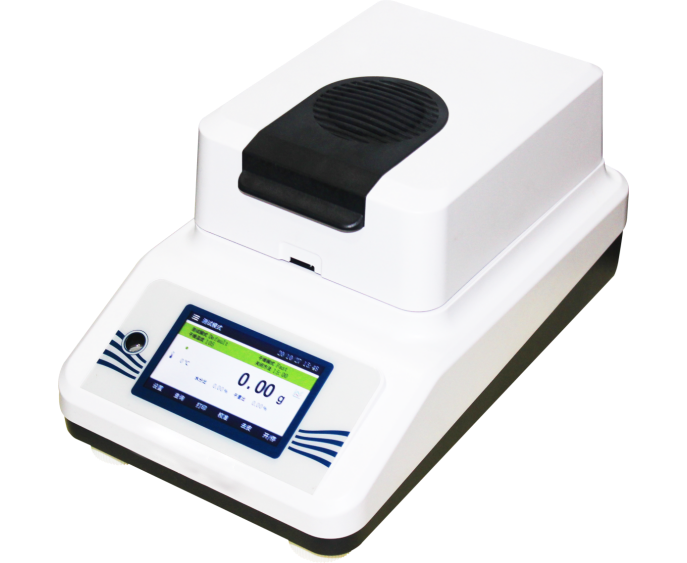
4 models
Supports PC connection.
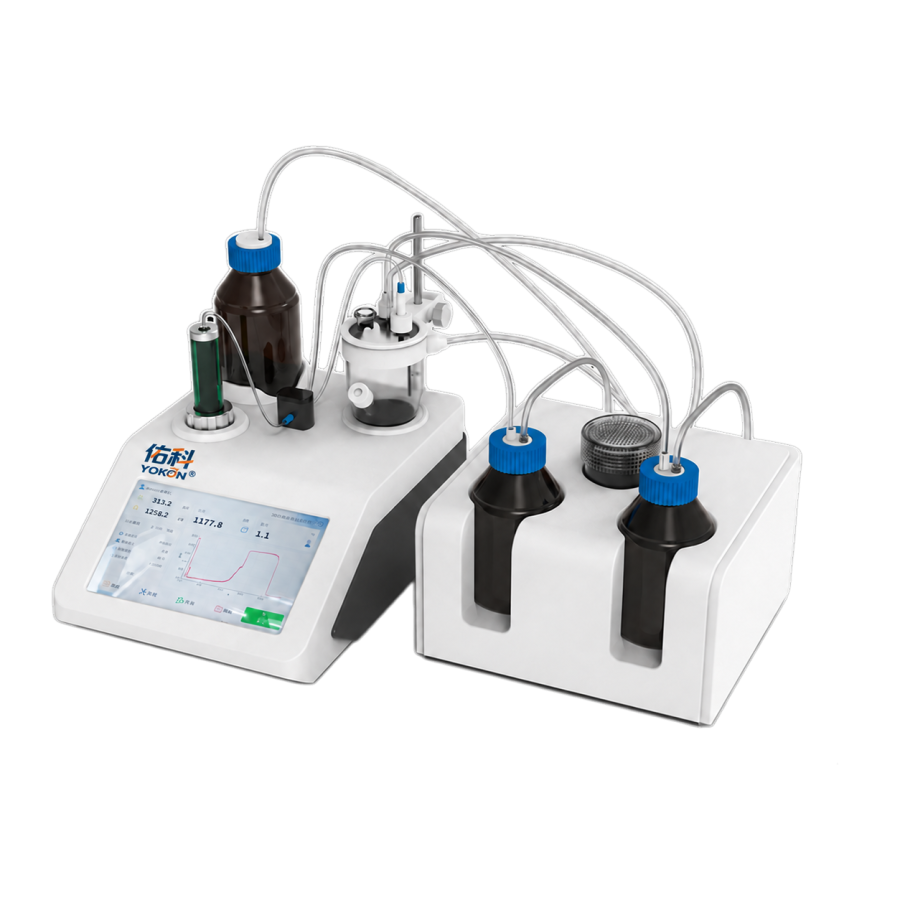
KE Series
The split-type design effectively reduces signal/electromagnetic interference, improving measurement accuracy.
Only when water is the sole volatile present and the method says so. Where the specification names water content, Karl Fischer measures that quantity specifically and avoids the argument at the audit.
A readability and repeatability that keep the weighing uncertainty small against the tolerance, used above its calculated minimum weight, on a levelled and draft-protected bench. For small portions that usually means a semi-micro or micro balance rather than a 0.1 mg instrument.
Pre-dried vessels, a desiccator between steps, a short exposure time and weighing by difference. The handling dominates the result more than the balance resolution does.
Application note
The specification points that decide whether a UV-Vis spectrophotometer is fit for assay work, and the documentation that…
Application note
A documentation-focused checklist for connecting sample preparation, measurement, review and report export in pharmaceutical QC — where the…
Application note
The questions that separate two UV-Vis configurations for assay, identity and routine release work — wavelength, photometry, stray…
Let’s talk about your application
Send the sample, the concentration range and the reference method. We will confirm the instrument and the accessories.