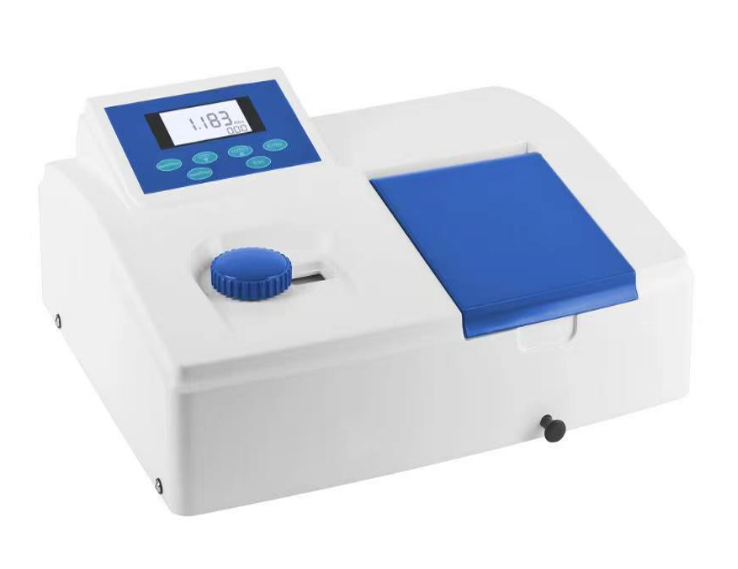
3 models
1200 Series Basic Spectrophotometer
70* 40mm white backlit LCD screen can display T, A, C, K, B.
- Optical System
- Single Beam, Grating 1200 lines/mm
- Wavelength Accuracy
- ±2nm
- Wavelength Repeatability
- ≤1nm

Application note · Education & Research
How to choose instruments that survive a class timetable, produce interpretable results and can be shared with a research group.
The short answer
A teaching laboratory has two customers: the student who has to understand the result, and the technician who has to keep the instrument working across a timetable. Instrument choice that ignores either one produces a laboratory that either confuses students or spends its budget on repairs.
In a teaching laboratory the instrument spends more time being set up, used and cleaned than being calibrated. Controls should be obvious, the sample compartment should tolerate a wet cuvette, and the method set should be lockable so that a class cannot leave the instrument in an unexpected state.
This is also why accessories matter. Spare cells, a cell holder that accepts standard cuvettes and a dust cover extend an instrument’s working life more than an extra optical feature.
Most practicals need absorbance at one or two wavelengths and a calibration curve. A basic single-beam instrument with a stable lamp covers that. Scanning becomes relevant when the practical asks students to interpret a spectrum, and double beam when the experiment runs long enough for drift to matter.
Check the wavelength range against the experiments rather than against the brochure. A visible-range instrument is adequate for colour and concentration work; UV work needs the range to reach below 400 nm.
pH electrodes fail, and they fail at the worst moment. A laboratory that owns one pH meter per bench should own at least one spare electrode per two meters, plus fresh buffers. A meter without a working electrode is a bench ornament.
Where water-chemistry practicals are part of the course, a combined pH and conductivity meter saves a bench position and a calibration routine. Ion-selective work is a research activity and belongs on a higher model.
Balance choice follows the smallest mass in the practical schedule. Reagent preparation at gram levels needs capacity and robustness; standard preparation at milligram levels needs readability and a stable bench. Buying 0.1 mg readability for a teaching laboratory usually buys a slower instrument and a stricter environment than the practicals require.
| Item | Covers | Note |
|---|---|---|
| Basic single-beam spectrophotometer | Absorbance and calibration curves | One per bench group |
| pH and conductivity meter | Water-chemistry practicals | Spare electrode on hand |
| Electronic balance | Reagent and sample preparation | Readability matched to the schedule |
| Melting point instrument | Organic chemistry practicals | One sample at a time — plan the queue |
When research activity grows, the additions are predictable: a scanning spectrophotometer, a microvolume instrument for nucleic acid work, and a fluorescence instrument for low-concentration measurements. Each one adds a capability the teaching set cannot provide, and none of them replaces the basic bench.
Data export. If students cannot take the measurement away in a format they can open at home, they photograph the screen and the analysis exercise collapses into a screenshot. Confirm the export format before the purchase, and test it with the software the students actually use.
The configuration described above, with the full specification of each model.
3 models
70* 40mm white backlit LCD screen can display T, A, C, K, B.
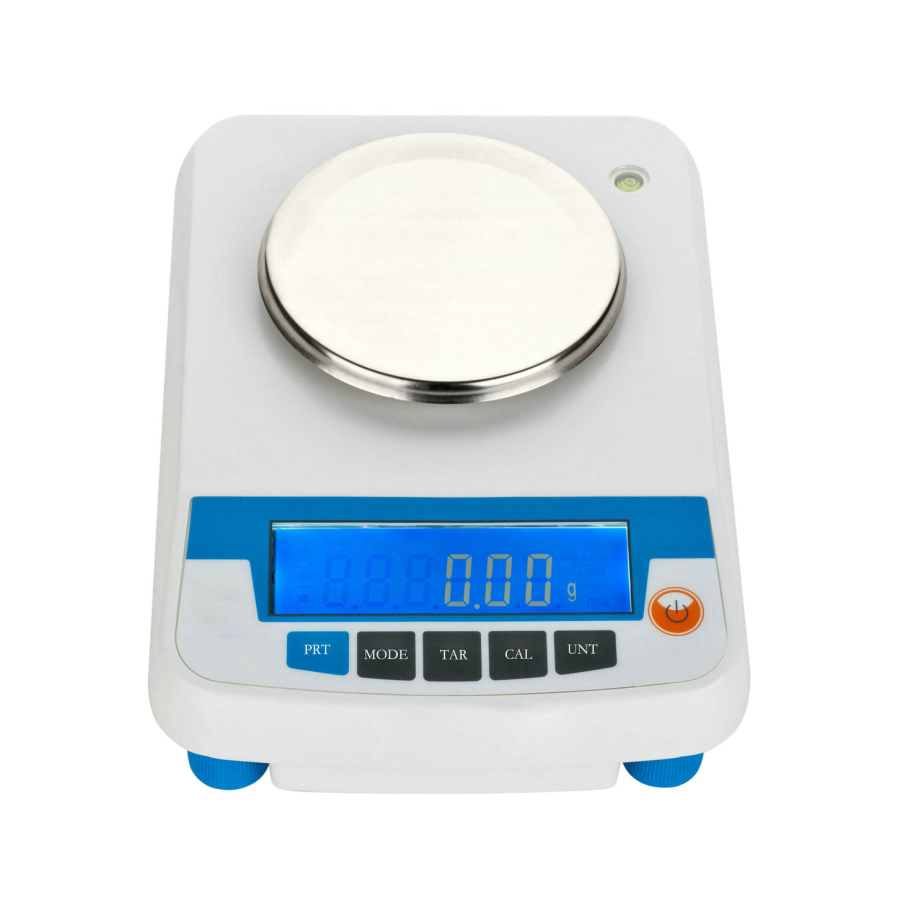
31 models
Functions: weighing, parts counting, percent weighing.
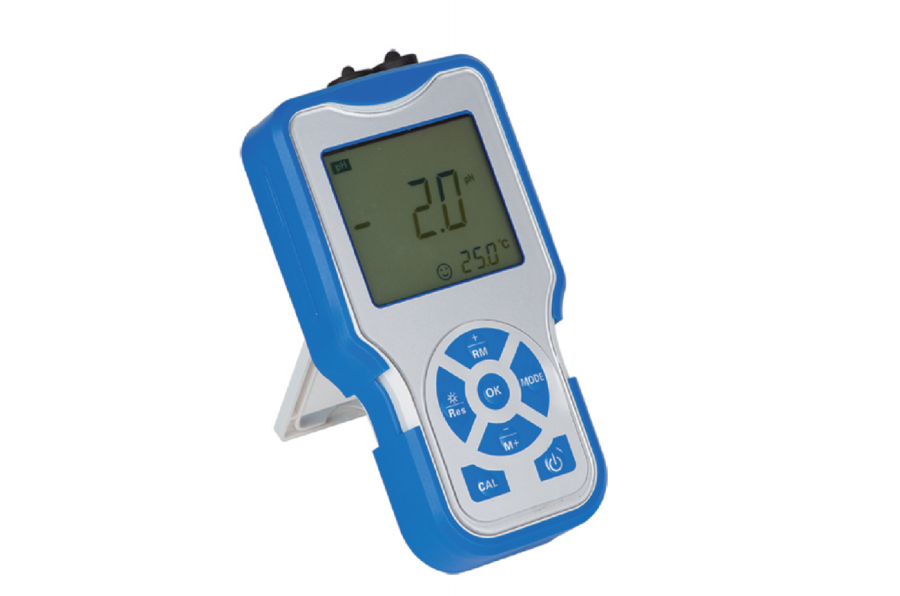
6 models
Large LCD screen with controllable white backlight.
One per simultaneous bench group. Working back from the class size and the practical duration is more reliable than counting students, because the bottleneck is the queue at the instrument, not the enrolment.
When the practical includes spectral interpretation, yes. When every experiment reads a fixed wavelength, a basic instrument teaches the same concept at lower cost and with less to break.
Yes, with a written changeover routine: who cleans the cells, which methods are locked, and where the data goes. Without that routine, the research group inherits the wear.
Application note
A teaching laboratory guide to experiment design, sample handling and result export — aimed at an experiment a…
Application note
Why research teams should specify the accessory list, the operating environment and the data handover before ordering —…
Application note
What changes when the same instrument moves from a teaching practical to method development — detection limit, precision,…
Let’s talk about your application
Send the sample, the concentration range and the reference method. We will confirm the instrument and the accessories.