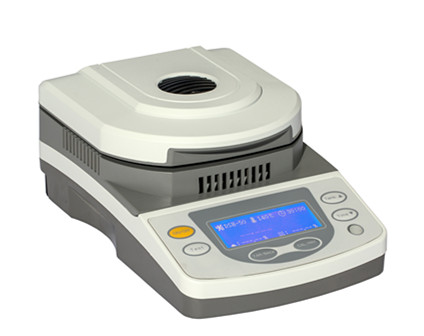
7 models
DSH Series Moisture Analyzer
LCD display make operation easy and comfortable in the dark place.
- Minimum Sample Amount
- 0.5g
- Advised Sample Amount
- 3-5g
- Heat up time
- 1-99 minutes, 1 minute interval

Application note · Food & Beverage
How weighing, moisture and acidity can be planned as one connected food release workflow — one portion, one worksheet, three results that refer back to the same mass.
The short answer
A small food QC laboratory usually runs three measurements on the same sample: mass, moisture and acidity. Treated as three separate tests they need three preparations; treated as one workflow they need one, and the difference shows up in throughput and in consistency.
Weigh the portion, dry it for moisture, then use the dried or the fresh material for acidity depending on the method. The order matters because moisture changes the basis on which every other result is expressed, and because the portion mass links the three results to the same material.
Weigh first, on a balance checked that day. Then moisture, because it is the measurement most sensitive to delay. Then acidity, which tolerates a short wait but not a warm bench. Writing the order into the work instruction removes the daily negotiation about which test runs first.
| Measurement | Method | What it protects |
|---|---|---|
| Mass | Analytical balance, checked at the working range | Every result expressed per unit mass |
| Moisture | Loss on drying with a fixed programme | The basis of the acidity calculation and the release decision |
| Acidity | Titration to a defined endpoint | Flavour, stability and process control |
Every result in the workflow is expressed per unit mass, so the balance sits upstream of all three. A balance that is out of level, or used below its minimum weight, corrupts the moisture and the acidity result at the same time — and neither test will show it.
Acid titration is simple and easy to do differently. The endpoint has to be defined — a pH value, a colour change with a named indicator, or a potentiometric break — and every operator has to use the same definition. A potentiometric titrator removes the colour judgement; it does not remove the need to define the endpoint.
Four points, all of them between instruments rather than inside them. The portion is weighed on one balance and a second portion is taken for titration, so the two results no longer share a mass. The moisture analyser is loaded before the programme is selected, so the drying temperature belongs to the previous product. The titrator is calibrated with a standard prepared for a different concentration range. And the worksheet is filled in at the end of the shift from memory.
Each is a design problem rather than an operator problem, and each is fixed by the layout of the worksheet: one portion field, one programme field, one standard field, and a line for the time of every step.
One bench, three instruments, one worksheet: balance, moisture analyser, titrator. The worksheet carries the portion mass once and the three results refer back to it. That single design decision is what makes the workflow auditable without extra work.
The configuration described above, with the full specification of each model.
7 models
LCD display make operation easy and comfortable in the dark place.
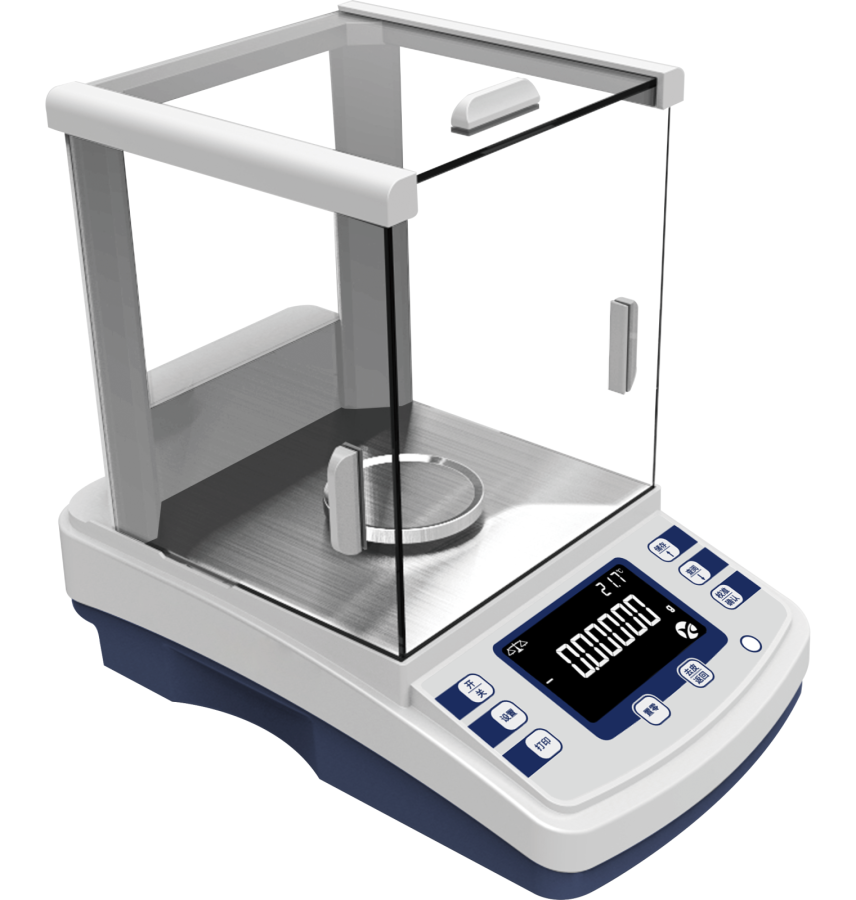
11 models
Supports PC connection.
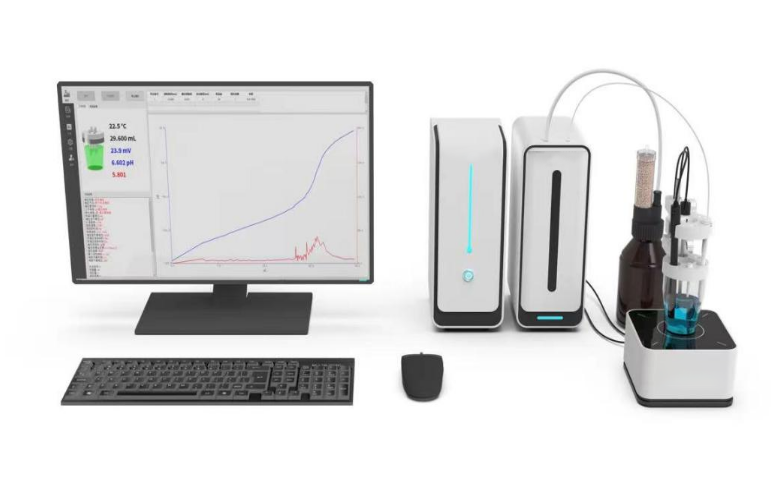
KM Series
The split-type design effectively reduces signal/electromagnetic interference, improving measurement accuracy.
Whichever the specification names — and the difference is large for high-moisture products. If it is reported on a dry basis, the moisture result becomes part of the acidity calculation, which is exactly why the two belong in one workflow.
Yes, and that is the point of the workflow: the drying step runs unattended while the acidity titration proceeds. The constraint is the bench and the portion, not the operator.
At the start of each working day, at the working range rather than only at capacity, with the result recorded. A balance that is checked only at full load can be wrong exactly where the portions are.
Application note
The five measurements that cover most food and beverage specifications, the instruments that deliver them, and when a…
Application note
Why homogenisation, portion size and holding time often decide whether a food result transfers between laboratories — and…
Application note
A method-first guide to fixed-wavelength colour tests and routine absorbance work in food QC, including when a colorimeter…
Let’s talk about your application
Send the sample, the concentration range and the reference method. We will confirm the instrument and the accessories.