Yoke Application Team · Reviewed by Yoke Application Team · Updated October 22, 2026 · 3 min read
Pharmaceutical quality control does not usually fail because a measurement is wrong. It fails because the link between the method, the instrument, the raw data and the calculation cannot be demonstrated. The instrument is often the strongest part of that chain; the record is the weakest.
What a reviewer actually needs
Four links, each reconstructable without asking the analyst: the method that was used and its version, the instrument that produced the data and its state at the time, the raw data as acquired, and the calculation that turned raw data into a reported result.
The four links
| Link |
What it must show |
Where it is lost |
| Method |
Version, parameters, acceptance criteria |
Settings saved on the instrument rather than in a controlled document |
| Instrument |
Identity, qualification status on the day |
Qualification records kept apart from the result |
| Raw data |
As acquired, unedited, with time stamps |
Export to a spreadsheet that is not version controlled |
| Calculation |
Formula, inputs, reviewer signature |
Re-typed values, calculation outside the record |
Where the chain breaks in practice
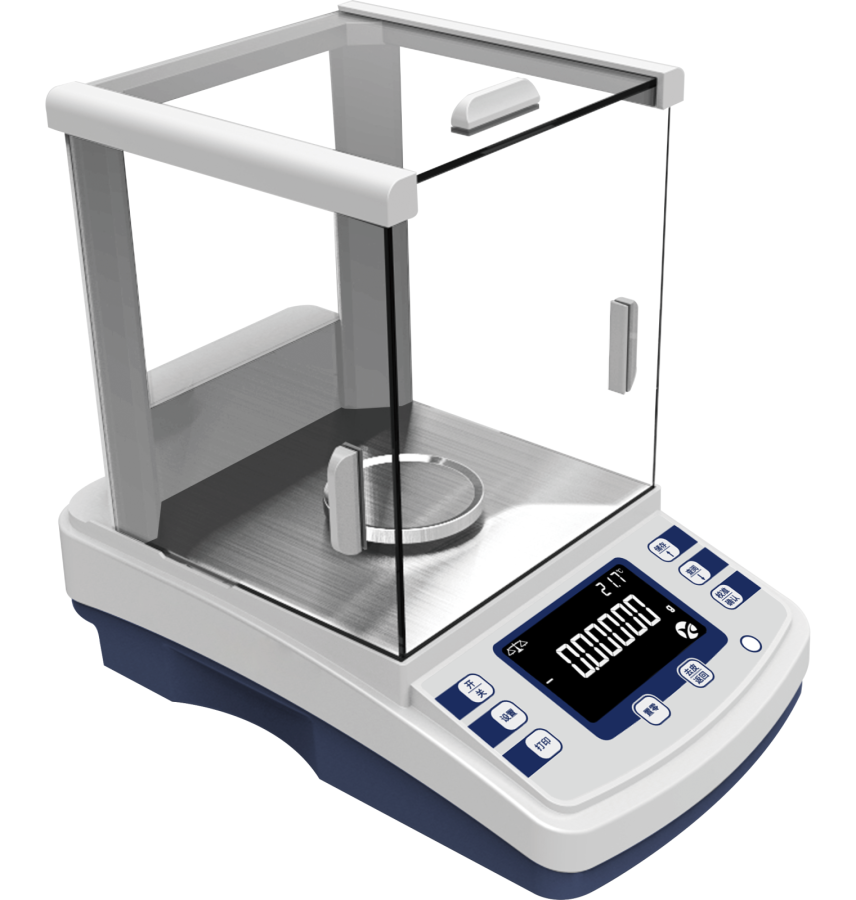
Three breaks account for most findings. Weights are transcribed from the balance display into a worksheet. Raw data is exported and then edited in a spreadsheet that nobody controls. Methods live in the analyst’s saved settings, so the method actually used is the one on the instrument, not the one in the document.
Design the workflow, not the software
Software can support the chain but cannot invent it. Decide first what the record has to contain and who signs each part; then choose the settings that produce it. A laboratory that starts from the software’s feature list usually ends up with a record that satisfies the software and not the reviewer.
The instrument’s part in the chain
The instrument contributes four things to the record: an identifier, a timestamp, the raw signal, and the parameters in force at the time. Everything else — the method, the calculation, the review — belongs to the workflow around it. Keeping that division in mind stops a laboratory from buying software features it does not need and from overlooking the ones it does.
It also explains why two laboratories with the same instrument can hold very different records. The instrument offers the same four contributions to both; the workflow decides how many of them survive.
The evidence pack
For each batch: method reference and version, instrument identifier and its qualification status on the day, the raw data file, the calculation sheet, the review signature, and any deviation record. Six items, one folder, one naming rule. Everything else is optional.
A five-minute test of your own workflow
Pick a result from three months ago and ask a colleague who did not run it to reconstruct it from the record alone. If they need to ask you a question, the chain has a break — and the break is cheaper to fix now than during an inspection.