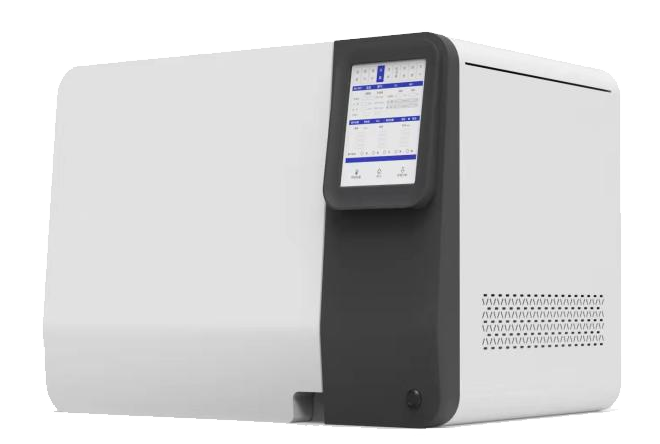
7 models
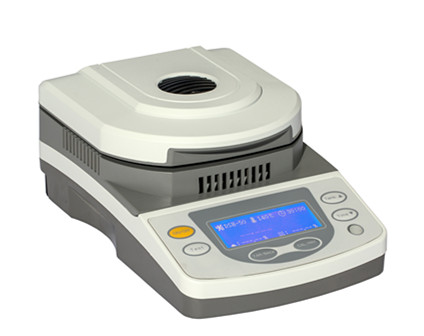
DSH Series Moisture Analyzer
LCD display make operation easy and comfortable in the dark place.
- Minimum Sample Amount
- 0.5g
- Advised Sample Amount
- 3-5g
- Heat up time
- 1-99 minutes, 1 minute interval

Application note · Chemicals & Materials
Moisture and colour are the two cheapest release checks in formulated materials, and the two most often performed inconsistently. Here is what each method actually measures and how to make the numbers comparable.
The short answer
Two measurements decide more release decisions in formulated materials than any other pair, and neither is expensive: how much volatile the material still holds, and whether its colour matches the reference. Both are simple to perform and easy to perform inconsistently, which is why they cause a disproportionate share of disputes.
A batch that is inside its moisture limit and outside its colour tolerance is not released. A batch that is inside both is usually released without further testing. That makes the pair a gate, and a gate has to be defined in numbers that two operators would interpret the same way.
Loss on drying measures everything that evaporates at the test temperature — water, residual solvent, and in some materials a fraction that is neither. Karl Fischer measures water specifically. The two agree only when water is the only volatile present, and choosing between them is a statement about what the specification means.
If the specification says “water content”, use Karl Fischer. If it says “loss on drying”, use the moisture analyser and accept that the number includes other volatiles. Using one method to demonstrate the other is a common and avoidable finding in an audit.
Visual comparison against a reference sample is fast, needs no instrument, and fails as soon as the lighting or the observer changes. Instrumental measurement — transmittance at a fixed wavelength, or a platinum-cobalt scale for clear liquids — removes the observer but introduces its own requirements: a fixed cell path, a clean cell and a defined sample temperature.
| Measurement | Common error | Control that fixes it |
|---|---|---|
| Moisture by loss on drying | Portion too small, so the result scatters | Fixed portion mass, recorded with the result |
| Moisture by loss on drying | Temperature programme copied between materials | One programme per material, verified on a known sample |
| Colour by transmittance | Cell path or cell cleanliness differs between operators | One cell per product, cleaned and checked at the start of the shift |
| Colour by comparison | Lighting and background vary | A defined viewing station, or move to an instrument |
A specification is only useful if the method can resolve it. Set the limit from the process capability first, then check that the method’s repeatability is comfortably smaller than the tolerance. A tolerance of 0.1 percent measured by a method that scatters by 0.15 percent generates rejections that are really measurement noise.
Moisture and colour are not independent. Drying can concentrate colour bodies, heat can darken a heat-sensitive material, and a moist powder scatters light differently from a dry one. When both measurements sit near their limits at once, the useful next step is to measure them on the same portion rather than on two samples taken minutes apart.
The configuration described above, with the full specification of each model.
7 models
LCD display make operation easy and comfortable in the dark place.
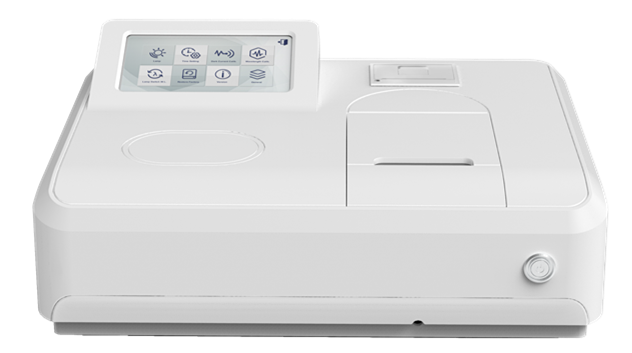
COLORIMETER Series
7 inch high-resolution touchscreen with friendly GUI.
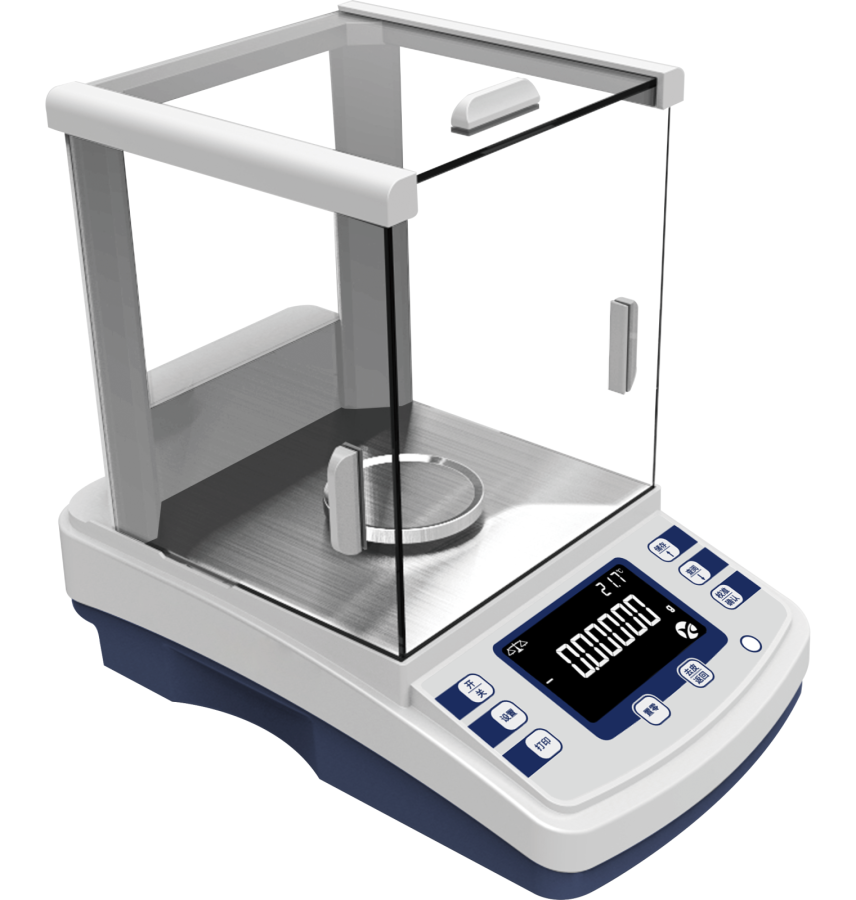
11 models
Supports PC connection.
The one that measures the quantity the process cares about. If the concern is water specifically — a hydrate, a reaction, a microbial risk — name Karl Fischer. If the concern is total volatile at process temperature, name loss on drying and state the temperature and time.
Different temperature programmes, different portion masses and different drying rates. Two instruments with the same model number will disagree if the programme and the portion differ, which is why the programme belongs in the procedure rather than in the operator's memory.
Necessary when colour is a specification item that can trigger a rejection, because a visual decision cannot be defended or reproduced. For internal trend monitoring a defined viewing station is often enough.
Application note
Column, injector, detector and data: the four decisions that define a gas chromatography configuration for solvent and volatile…
Application note
How to connect a materials sample, its acceptance criteria and the first screening step — and where screening…
Application note
Four questions that decide whether a volatile or solvent problem needs gas chromatography, what the instrument can and…
Let’s talk about your application
Send the sample, the concentration range and the reference method. We will confirm the instrument and the accessories.