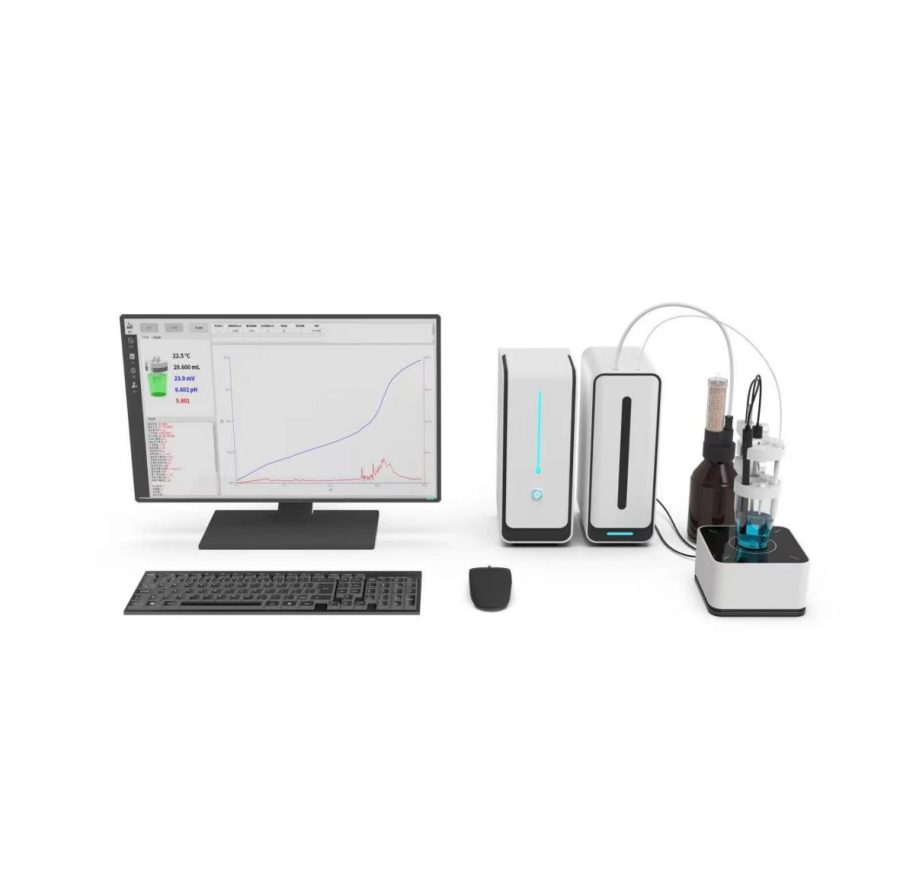
COD Series
COD Analyzer B-COD
7 inch high-resolution touchscreen with friendly GUI.
- Measurement Method
- Fast digestion spectrophotometry
- Measuring Range
- 10-10000mg/L
- Accuracy
- ≤5%

Application note · Industrial Water
How an industrial effluent programme grows in layers — routine indicators, individual ions, then metals — and what each layer adds to the bench, the preparation and the quality control.
The short answer
An effluent programme starts simple and grows in layers. The permit begins with indicators — pH, suspended solids, COD, sometimes ammonia — and adds individual ions or metals as the discharge, the receiving water or the customer specification demands. Each layer brings a different workflow, and the usual mistake is to buy the last layer first.
pH, conductivity, turbidity and COD are measured often and are the first to be automated. They need little preparation and cost the least per result, which is why they form the base of every programme. Their weakness is specificity: COD measures the oxygen demand of everything oxidisable, not the substance that caused it.
When the permit names chloride, sulphate, nitrate, fluoride or ammonia as individual limits, the sum is no longer enough. Ion chromatography separates and quantifies them in one run, and brings the infrastructure that goes with it: high-purity water, eluent preparation and column care.
Metal limits are element-specific and often low. Flame atomic absorption covers mg/L to sub-mg/L work with a simple routine; the graphite furnace reaches lower and demands more method work. The choice follows the permitted limit, not the laboratory’s ambition.
| Layer | Typical parameters | Preparation | Added infrastructure |
|---|---|---|---|
| Indicators | pH, conductivity, turbidity, COD | Digestion for COD only | None beyond bench space |
| Ions | Chloride, sulphate, nitrate, fluoride, ammonia | Filtration, dilution | Pure water, eluents, column care |
| Metals | Target elements at permitted limits | Preservation, digestion, dilution | Gas supply, ventilation, standards |
Effluent is rarely dilute. High organic load consumes digestion reagent, high solids block sample lines, and high salt content suppresses or enhances the signal in ways that depend on the element. Every one of those effects belongs in the review: dilution factor, digestion volume, calibration range, and the acceptance window for spike recovery.
Effluent QC has to prove recovery in a difficult matrix, not in clean water. A matrix spike on every batch, a duplicate on one sample and a blank carried through the whole preparation are the minimum. When a result is challenged, the spike recovery is the evidence that decides the conversation.
Adding a layer is rarely a purchase decision made in isolation. The practical sequence is: the permit changes, the laboratory writes the method, the infrastructure is checked, the operator is trained, and only then does the sample load move to the new instrument. Running the old and new methods in parallel for a few months is the cheapest way to prove the configuration before it becomes the only route.
That overlap also produces the evidence a customer or a regulator will ask for later: the same sample measured two ways, with the difference documented rather than explained.
Send the permit limits with units, the discharge volume and its variability, the current parameter list and the expected additions, the matrix description, and the reporting deadline for each parameter. A configuration proposed against those five items will still hold when the programme expands; one proposed against a model number will not.
The configuration described above, with the full specification of each model.
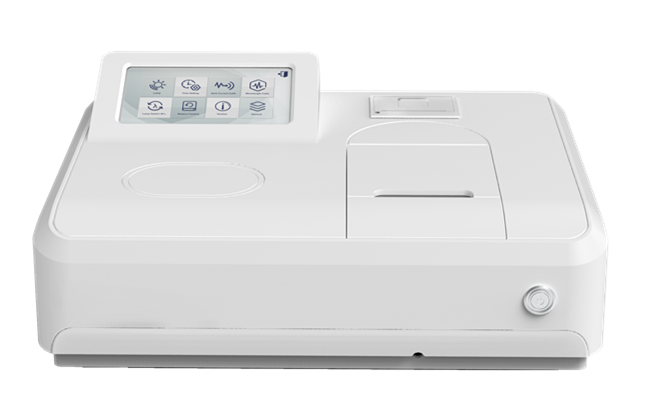
COD Series
7 inch high-resolution touchscreen with friendly GUI.
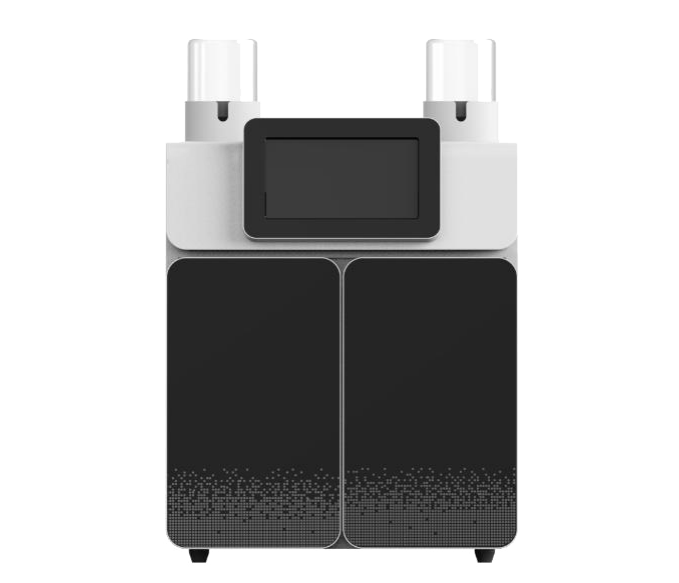
IC Series
This is the latest integrated ion chromatograph with dual anion and cation channels
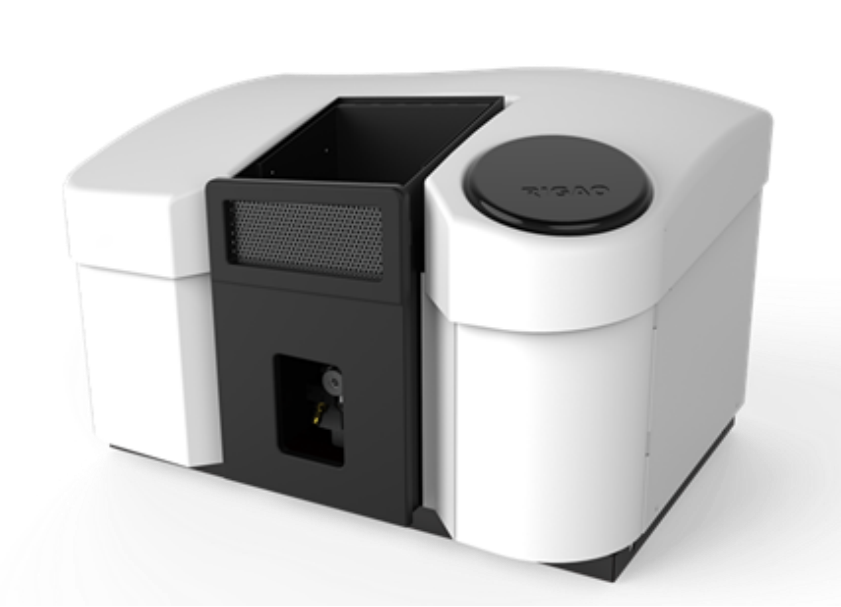
4 models
Excellent total reflection optical system ensures excellent signal-to-noise ratio of the instrument.
When the permit names individual ions rather than a sum, or when the levels fall below what titration can resolve reliably. Until then, the routine indicators carry the control function and the individual ion list is a future requirement.
Flame for mg/L to sub-mg/L work with a simple routine, furnace when the permitted limit sits low enough that flame cannot reach it. Decide on the permitted limit, then confirm the laboratory can support the method work the furnace demands.
Dilute, record the factor, and verify the dilution with a spiked diluted sample. A result produced by extrapolating beyond the top standard is not a measurement, and an effluent result is too visible to defend that way.
Application note
How to split water-treatment measurements between titration, electrochemistry and the plant, and why laboratory values and online readings…
Application note
Why online process readings and laboratory results answer different questions, and how to build a verification schedule that…
Application note
A sampling and measurement framework for cooling and boiler systems: control limits, the parameter set, sampling points, and…
Let’s talk about your application
Send the sample, the concentration range and the reference method. We will confirm the instrument and the accessories.